Local Event Production Services Transforming Your Gatherings

by | Nov 14, 2025 | Blog

Local event production services that transform gatherings — expert solutions for corporate and live events

Local event production combines technical systems, creative design, and logistical planning to turn ordinary meetings and shows into polished, goal-driven experiences. This piece explains how audiovisual systems, lighting design, staging, and production management work together to improve clarity, brand impact, and attendee satisfaction for corporate meetings, concerts, trade shows, and hybrid events. Organizers often face unreliable vendors, unclear tech specs, and venue permitting hurdles; local professional producers remove those roadblocks with proven equipment, experienced crews, and venue-savvy planning. Read on for actionable guidance on hiring local partners, choosing AV and lighting, staging safely for large gatherings, and applying best practices that boost engagement and measurable results. The article first covers the benefits of hiring local production firms, then walks through corporate services, live-event best practices, staging and lighting options, AV’s role in engagement, and how CWP Productions supports Little Rock organizers with in-house capabilities and client-focused execution. Each section includes practical lists, comparison tables, and concise checklists to help you pick the right production approach for your next event.

What are the key benefits of hiring local event production companies?

Local production companies lower risk and save time by pairing local knowledge with nearby equipment and rapid on-site response. With crews and inventory close to your venue, setups are faster, troubleshooting happens sooner, and overall costs come down through reduced transport and overtime. Local teams also bring vendor relationships and permitting experience that smooth logistics and improve coordination with venue staff during load-in, load-out, and safety checks. The result: a more predictable timeline, clearer audio and video, and a better experience for attendees and presenters.

Local producers take care of many operational details so you can focus on content and guests. The checklist below shows what they typically manage.

  • Permit and venue coordination: They secure permits, manage site access, and get owner approvals to avoid last-minute stoppages.
  • Load-in/load-out planning: They schedule truck times, staging points, and crew shifts to speed setups and breakdowns.
  • Vendor and supplier management: They sequence rentals, catering, and security so technical timelines stay on track.

Those operational layers reduce organizer workload and set the foundation for technical planning and creative production, which we cover next.

How do local event producers simplify complex event logistics?

Local producers handle the many logistical tasks that keep events on schedule. They secure venue approvals and permits, coordinate truck and crew arrival windows, and sequence vendor deliveries to avoid congestion. Producers also create and enforce a technical run-of-show with cue times and responsibilities, so techs and talent can rehearse reliably and miscommunication is minimized. Contingency planning is standard: local crews identify alternate power feeds, reserve rehearsal slots, and stage spare equipment so issues are fixed without disrupting the audience experience.

With logistics under control, organizers can concentrate on messaging and guest experience while the production team manages the technical flow — which brings us to why experience matters under pressure.

Why is experience essential in corporate and music event production?

Experience lets producers anticipate technical needs, read venue constraints, and make quick decisions that protect sound, sightlines, and the schedule. Seasoned crews set proper gain structure, position speakers for even coverage, and light stages so cameras and photographers capture the intended brand visuals. At music events, experienced engineers prevent feedback, shape monitor mixes for artists, and keep consistent SPL for audience comfort. For corporate shows, experienced teams focus on speech intelligibility, camera angles for live streams, and redundancy for mission‑critical presentations to avoid embarrassing technical interruptions.

That practical know-how shortens troubleshooting and increases the chance the event meets its business objectives — a key factor when selecting corporate services for presentations and product launches.

Which corporate event production services elevate your business gatherings?
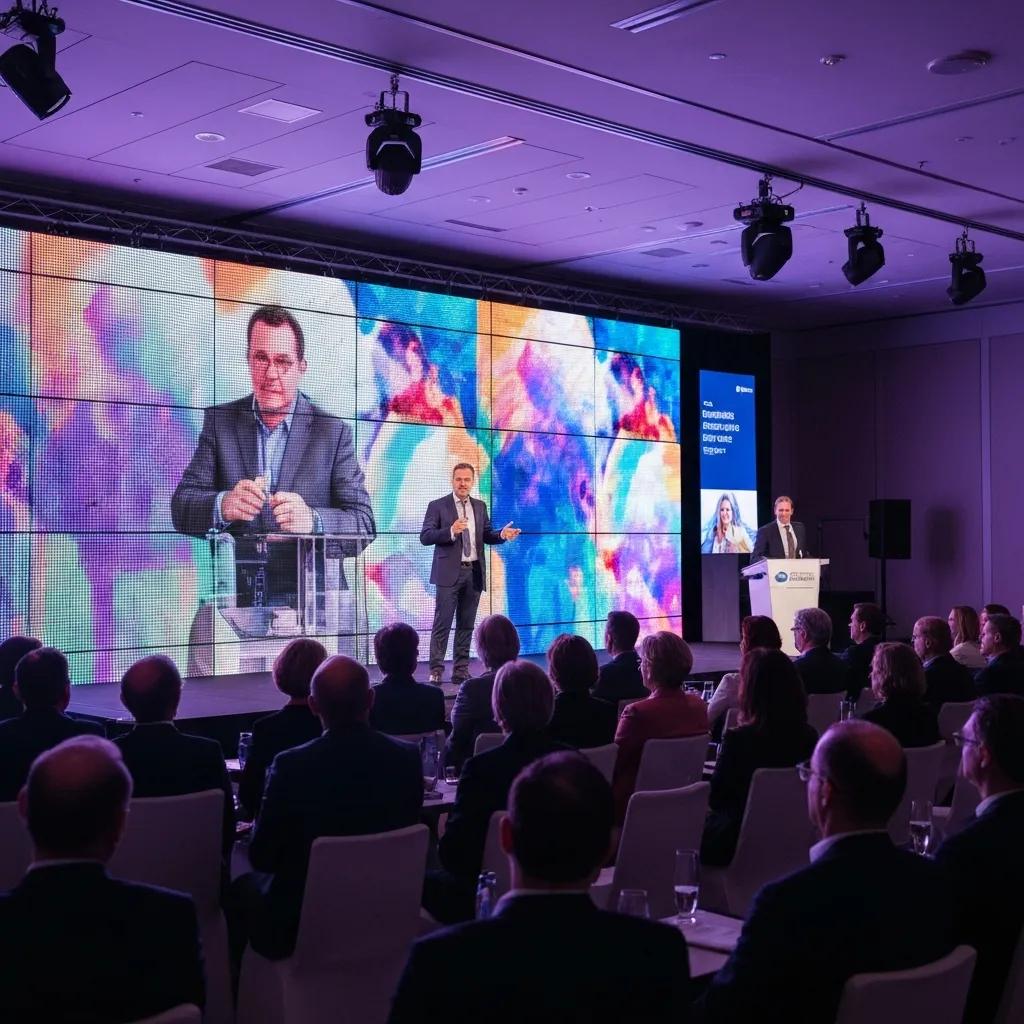
Corporate production blends AV, lighting, staging, and technical direction to deliver clear communication and on‑brand moments for meetings, product launches, and hybrid conferences. Packages scale from small boardrooms to large ballrooms and are shaped by goals such as speech clarity, immersive reveals, or remote participation. Typical offerings include sound systems tuned to room geometry, LED walls or projection for visual clarity, programmable lighting to support brand colors, and on‑site technical direction to coordinate cues and transitions. Together, these services boost message retention, strengthen brand perception, and smooth event delivery to support your business goals.

Use the comparison table below to match corporate offerings to room size and production needs.

AV SolutionCoverage / Typical UseBenefit
Audio system (line array / point-source)Small meeting to large ballroomEnsures speech intelligibility and even coverage
LED video wall / projectionBoardroom displays to keynote backdropsKeeps visuals clear for live and remote audiences
Lighting design (uplight, key, wash)Brand reinforcement and video optimizationEnhances photography, video, and color accuracy
Technical direction / run-of-showSingle-room to multi-track conferencesSynchronizes cues and reduces presenter errors

Ready to move from planning to production?

For organizers converting plans into a live experience, CWP Productions provides equipment rentals and full production services with in‑house crews for Little Rock clients. They deliver integrated audio, video, lighting, and staging that align technical direction with your creative goals. CWP focuses on smooth execution, experienced staff, and client-centered service to reduce your workload while producing reliable technical results. To request a quote or schedule a site visit, contact CWP Productions using the phone or email listed on their site to align scope, schedule, and budget.

This transition from service types to provider selection highlights how AV choices affect audience outcomes — which we expand on in the AV section below.

What audio visual solutions enhance corporate presentations?

AV solutions range from compact conferencing systems to full production stacks, each selected to match room acoustics and communication goals. Small executive meetings benefit from high‑quality powered speakers and wireless mics that keep things simple and clear; larger ballrooms often need flown or ground‑stacked line arrays with delay fills for even SPL. Video decisions hinge on viewing distance and ambient light: LED walls offer brightness and contrast for keynotes, while projection can be cost‑efficient in controlled-light rooms. Conferencing and hybrid setups—PTZ cameras, hardware encoders, and strong network integration—let remote attendees join with low latency and good fidelity.

Choose AV based on the audience experience you want and scale equipment to the venue — that choice then informs lighting strategies that support your brand message.

How does dynamic lighting design strengthen brand messaging?

Dynamic lighting uses color temperature, saturation, and motion to reinforce a brand’s look and to draw attention to key moments like speaker introductions or product reveals. Uplighting can wash a space in corporate color to create cohesion; key and fill lights give flattering, camera‑ready illumination. Gobos and textured lighting project logos or patterns that make networking and staged moments more memorable. Energy‑efficient LED fixtures also cut power draw and heat, offering creative flexibility with operational savings and consistent results across shows.

Well‑integrated lighting strategies make visuals camera‑ready and embed brand cues into the audience experience, supporting the live production work described next.

How do live event production solutions create unforgettable music and trade show experiences?
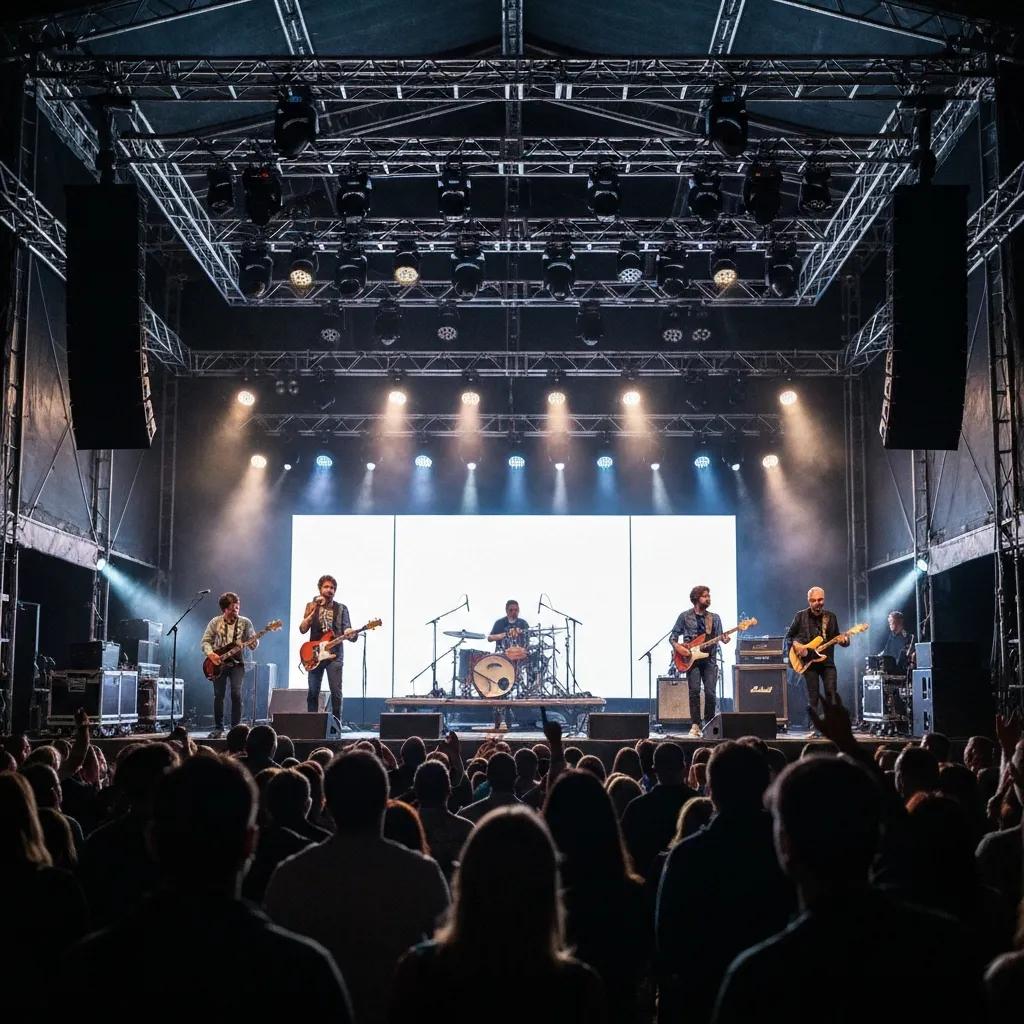
Live production for concerts and trade shows centers on high‑fidelity sound, immersive lighting, flexible staging, and attendee flow to create memorable performances and exhibitor interactions. Tech teams design systems for even audio coverage, coordinated visual cues, and stage layouts that support performer movement and safety. Trade shows focus on booth‑level AV that attracts visitors while keeping traffic moving; concerts demand thorough soundchecks, monitor mixes, and rigging practices that protect performers and audiences. Effective live production balances power distribution, rigging safety, and crowd management so large events are impactful and compliant with venue rules.

Below are practical best practices teams use to secure consistent results across concerts and trade events.

  • System tuning and SPL management: Measure and adjust systems to avoid hotspots and listener fatigue.
  • Delay and coverage planning: Use timing alignment and fill speakers for consistent audio outdoors and indoors.
  • Lighting and visual sync: Coordinate lighting cues with audio and playback for tighter, more immersive moments.

These operational strategies set expectations for safe staging and reliable technical performance, which leads to the engineering practices we cover next.

What are the best practices for concert sound engineering and festival lighting?

Concert engineering begins with measured system tuning: room analysis, speaker placement, and correct gain structure to ensure clarity and safe SPL. Front‑of‑house engineers craft mixes that translate across venue zones while monitor engineers tailor artist mixes for performance confidence. Festival lighting relies on pre‑programmed cues, redundant control systems, and rigging/power interlock checks to prevent interruptions. Synchronizing lighting and audio via timecode or networked cue systems keeps visuals tight to the performance and raises perceived production value.

Following these practices reduces technical downtime and boosts audience satisfaction — which connects directly to stage design decisions for performers and speakers.

How does custom staging support artist and speaker presentations?

Custom staging improves visibility, safety, and performer interaction by matching platform dimensions, riser heights, and sightlines to event goals. Modular stages allow fast reconfiguration between acts or sessions, and integrated cable management protects crew and talent while keeping the stage clean. Rigging points and load ratings are engineered for lighting and audio arrays, and guardrails or ramps ensure ADA compliance and safe access. Thoughtful staging also integrates screens and lighting for cohesive backdrops that lift both musical acts and keynote presentations.

Smart stage design builds performer confidence and creates better camera and audience perspectives, which leads into staging and lighting options for larger builds below.

What event staging and lighting options are available for large-scale gatherings?

Large events require a range of staging and lighting choices that balance impact, safety, and accessibility while supporting brand and audience goals. Staging options include portable platforms for flexible setups, modular systems for quick reconfiguration, and custom structures for signature product reveals or festival main stages. Lighting categories — wash fixtures, spotlights, moving heads, and pixel‑mapped arrays — offer different levels of immersion and are selected based on sightlines and desired visual intensity. Safety items like engineered load ratings, rigging inspections, and clear access routes are essential on big builds to protect talent, crew, and guests.

The table below ties staging and lighting options to common use cases and benefits so planners can prioritize what matters most when scoping a large event.

ComponentTypical Use Case / BenefitSafety / Impact
Portable stage platformsTrade show demos, breakout stagesFast build; moderate load rating
Modular stage systemsKeynotes and configurable performancesFlexible layouts; scalable load capacity
Custom-built stagesProduct launches, festival main stagesTailored aesthetics; engineered structures
Moving head & wash fixturesDynamic shows and brand color changesHigh visual impact; requires rigging planning
Pixel-mapped LED arraysImmersive visuals and synchronized effectsHigh data and power needs; strong audience draw

How do custom staging solutions improve event impact and safety?

Custom stages increase impact by shaping platform geometry and sightlines so every attendee sees presenters or performers clearly. Engineers calculate load ratings and distribution to support lighting and set pieces, and include safety measures like guardrails, ramps, and non‑slip surfaces. Designing stages with built‑in cable paths and quick‑access service points reduces downtime during changeovers and keeps the visual field uncluttered for photography and broadcast. Accessibility features and clear egress routes lower risk and make the event welcoming to all attendees.

A well‑designed stage raises the visual authority of presentations and the operational reliability of the event, which leads naturally to lighting choices that enhance atmosphere.

What lighting technologies are used to create immersive event atmospheres?

Lighting tech ranges from basic LED wash fixtures to advanced pixel‑mapped systems and projection mapping, each with different creative uses. LED fixtures offer energy‑efficient, color‑accurate washes ideal for brand consistency; moving heads create dynamic beams and patterns for concert energy. Pixel‑mapped surfaces synchronize visuals across rigs for changing textures, and projection mapping turns architectural surfaces into storytelling canvases. Choose technology based on viewing distance, ambient light, budget, and whether visuals must read well on camera for broadcast or live stream.

Balancing spectacle with operational limits prepares a venue for integrated AV and visual content, which we examine in the AV engagement section.

How does audio visual event production enhance engagement and communication?

AV production improves engagement by sharpening speech intelligibility, visual clarity, and interactivity so attendees absorb and retain more. Quality audio systems provide consistent speech levels that reduce listener fatigue; bright, sharp video walls and projection keep slides and visuals legible. Interactive elements — live polling, touchscreen kiosks, and synchronized multi‑display content — raise participation and create measurable engagement signals. Accessibility features like captioning and multi‑channel audio feeds extend reach, and hybrid integrations let remote attendees experience high‑fidelity audio with synchronized visuals.

Use the technology comparison below to prioritize AV investments that deliver the best engagement outcomes.

TechnologyAttributeAudience Impact
Line array PAHigh‑power, directional coverageImproved speech clarity across large venues
LED video wallHigh brightness & contrastBetter visual comprehension and brand visibility
Projection mappingSurface‑adaptive visualsImmersive storytelling and environmental transformation
In‑ear monitoringPersonalized artist mixesCleaner on‑stage sound and consistent performance

CWP Productions keeps industry‑standard AV equipment and experienced technical crews ready to support corporate and live events in Little Rock, focusing on system integration and client goals.

CWP’s in‑house teams align audio, video, lighting, and staging into cohesive systems to simplify production for event owners. Local crews handle rigging, system tuning, and on‑site technical direction to ensure redundancy, clear visuals, and dependable mixes for live and hybrid audiences. By coordinating tech rehearsals and run‑of‑show sequencing, these services reduce presentation risk and improve the remote‑viewer experience for hybrid events.

Understanding how technology affects engagement helps you choose AV packages that deliver the right outcomes. The next section explains why a local partner matters for Little Rock organizers.

What advanced audio systems are ideal for corporate and music events?

Choose audio systems by venue size and content type: line arrays are ideal for large spaces that need long‑throw coverage, while point‑source and distributed speakers work well in smaller rooms to preserve clarity. Monitor solutions range from floor wedges to in‑ear systems that give artists consistent mixes and reduce stage volume. For speech‑heavy corporate events, cardioid and hypercardioid microphones cut stage bleed and boost intelligibility. Hybrid events require reliable capture chains with redundancy for streaming. Common pitfalls — undersized amps, poor speaker placement, and insufficient monitoring paths — are avoidable with experienced system design and testing.

The right audio approach protects speech and musical quality, and supports the visual systems that complete the audience experience.

How are high-definition video walls and projection mapping used in events?

High‑definition LED walls deliver bright, high‑contrast imagery for keynotes and demos that must stay legible in ambient light. Pixel pitch should match viewing distance — finer pitch for close audiences, coarser pitch for distant viewing — to preserve perceived resolution. Projection mapping is best when architecture or scenic surfaces are part of the story, enabling dynamic transformations that deepen narrative impact. Reliable content playback depends on robust media servers, redundant players, and thorough pre‑show testing to keep visuals synchronized and transitions seamless.

Careful specification of pixel pitch, brightness, and playback redundancy ensures visuals meet audience expectations and integrate smoothly with lighting and staging plans.

Why choose CWP Productions for your local event production needs in Little Rock, AR?

Looking for a local partner who handles equipment rental and full production? CWP Productions serves Little Rock with an emphasis on seamless execution, deep experience, full‑service capabilities, and a client‑first approach. Their local teams deliver audio, video, lighting, and staging solutions that reduce organizer burden while producing reliable technical results. CWP’s strengths include integrated in‑house services that cut vendor handoffs, experienced crews who manage run‑of‑show and troubleshooting, and local knowledge that speeds permitting and venue coordination. Contact details on their site let you discuss scope, request a site visit, or get a custom quote for upcoming events.

Below are concise statements of CWP’s core value propositions and how they translate to event success.

  • Integrated in‑house solutions: Reduces coordination friction and provides single‑source accountability.
  • Experienced crew and technical direction: Lowers on‑site errors and keeps the show flowing.
  • Local Little Rock expertise: Speeds permitting, logistics, and vendor coordination.

What unique value propositions does CWP offer for seamless event execution?

CWP Productions delivers integrated AV, lighting, and staging with single‑source management to reduce complexity. Their crews provide technical direction and system integration to align cues, camera feeds, and stage action so presenters can focus on their message. Local venue knowledge and familiarity with municipal permitting help avoid costly last‑minute changes, and a well‑stocked rental inventory supports quick responses to scope changes. This full‑service approach helps organizers achieve predictable results for launches, conferences, and concerts.

Those operational strengths pair with real project outcomes and client feedback, summarized in the next subsection.

How have recent case studies demonstrated CWP’s expertise in event transformation?

Project highlights show CWP’s practical approach: for one corporate keynote they synchronized LED backdrops with low‑latency streaming, selecting pixel pitch, redundant playback, and on‑site encoding to deliver a smooth hybrid broadcast. For a live‑music event they supplied line‑array PA with delay fills and in‑ear monitoring, lowering stage volume and improving audience clarity. Results included cleaner remote streams, fewer technical interruptions, and positive feedback on logistics and responsiveness. These examples tie client challenges to specific equipment choices and crew actions that improved reliability and audience experience.

Combined, these case outcomes show how the right equipment and experienced crews turn production plans into successful events — and offer a model for your next gathering.

Frequently asked questions

What should I consider when choosing a local event production company?

Look for relevant experience, quality equipment, and client references. Verify they’ve managed events like yours — corporate, live music, or trade shows — and ask about their local venue experience and permitting knowledge. Also confirm technical capabilities (AV, lighting, staging) and whether they provide in‑house crews to reduce vendor handoffs.

How can I ensure my event stays within budget while using production services?

Start by defining clear goals and priorities, then share your budget with the production partner so they can suggest cost‑effective options. Consider bundled packages for AV, lighting, and staging, and set aside a contingency fund for unexpected needs. Good producers will offer staged options that deliver core outcomes within your price range.

What role does technology play in enhancing audience engagement at events?

Technology enables clearer communication and richer interaction. High‑quality audio and bright visuals keep attendees focused, while tools like live polling, Q&A, and multi‑display content increase participation. Hybrid tech and captioning broaden reach and accessibility, helping organizers measure engagement and extend event impact.

How do I assess the quality of audiovisual equipment for my event?

Evaluate brand reputation, specifications, and how the gear performed at similar events. Ask for demos, case studies, and maintenance records. Confirm the provider’s workflow for testing and redundancy so you avoid failures during the show.

What are the best practices for ensuring safety during large events?

Perform a risk assessment, secure required permits, and coordinate with local authorities. Use trained staff for crowd management, clear signage, and emergency plans. Ensure staging, rigging, and lighting are engineered, inspected, and maintained to prevent accidents.

How can I measure the success of my event after it concludes?

Measure success with attendee feedback, engagement metrics, and how well you met predefined goals. Use post‑event surveys, analyze participation in interactive sessions and social media.