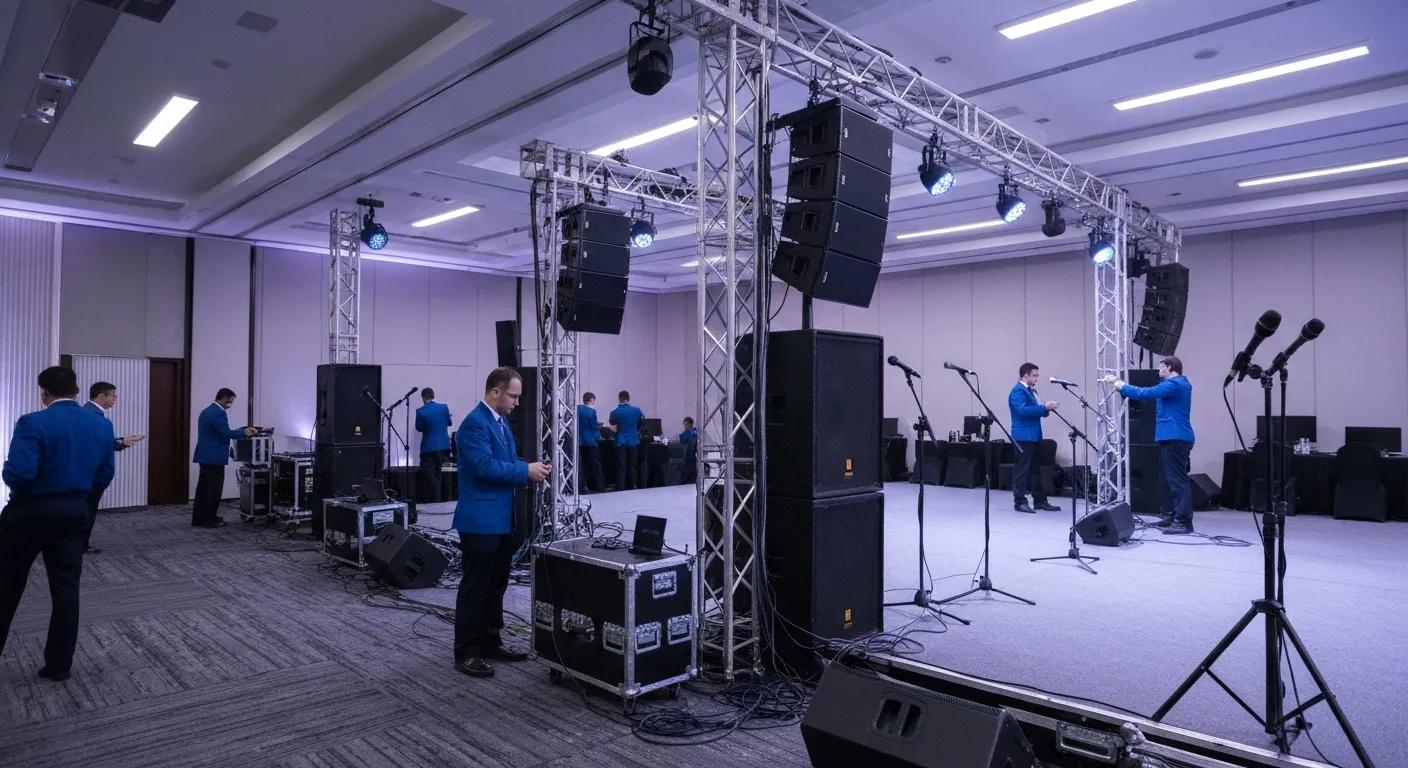
Elevate Your Event with Professional Sound System Rental

by | Nov 13, 2025 | Blog

Professional Sound System Rentals for Unforgettable Events — Expert Audio for Corporate Meetings, Live Shows, and Hybrid Productions

Great audio turns talks, performances, and brand moments into experiences people remember. This guide explains why professional sound matters, which equipment and services rental companies commonly offer, how the rental workflow runs from consultation to teardown, and how pricing is built so you can plan your budget with clarity. We use “sound system rental” to mean supplying speakers, microphones, mixers, and trained staff to deliver consistent coverage and dependable reinforcement. You’ll also find practical tips on system design, tuning, and technician oversight—the things that produce clear sound and keep audiences engaged. Event planners often face patchy coverage, wireless interference, or systems that lack headroom; this article gives concrete steps to avoid those problems and optimize audio for small corporate rooms, outdoor festivals, and hybrid-streamed events. The sections that follow cover why professional sound is essential, the services rental companies provide, quality-assurance practices, the end-to-end process from site survey to teardown, pricing drivers and rent-vs-buy considerations, plus common buyer questions and local context for Little Rock productions.

Why Professional Sound System Rental Matters for Memorable Events

Professional sound rental delivers engineered reinforcement that preserves speech clarity and musical fidelity across different venues, so audiences understand presenters and feel the impact of performances. The recipe is simple: the right speakers, properly measured delays, and careful EQ give even SPL and tonal balance across seating zones, which reduces listening fatigue and improves message retention. Clear audio supports event goals—presenters are heard, performers sound true to intent, and sponsors’ messages carry credibility. Conversely, poor sound undermines brand perception and attendee satisfaction. Today’s best practice is to design systems around room acoustics and audience size, because one-size-fits-all setups create hotspots and dead zones. The next section breaks these benefits into practical outcomes you can use when planning your event.

Corporate events and live music have different priorities; understanding those differences leads to smarter equipment and staffing choices.

How Quality Audio Boosts Corporate Event Engagement
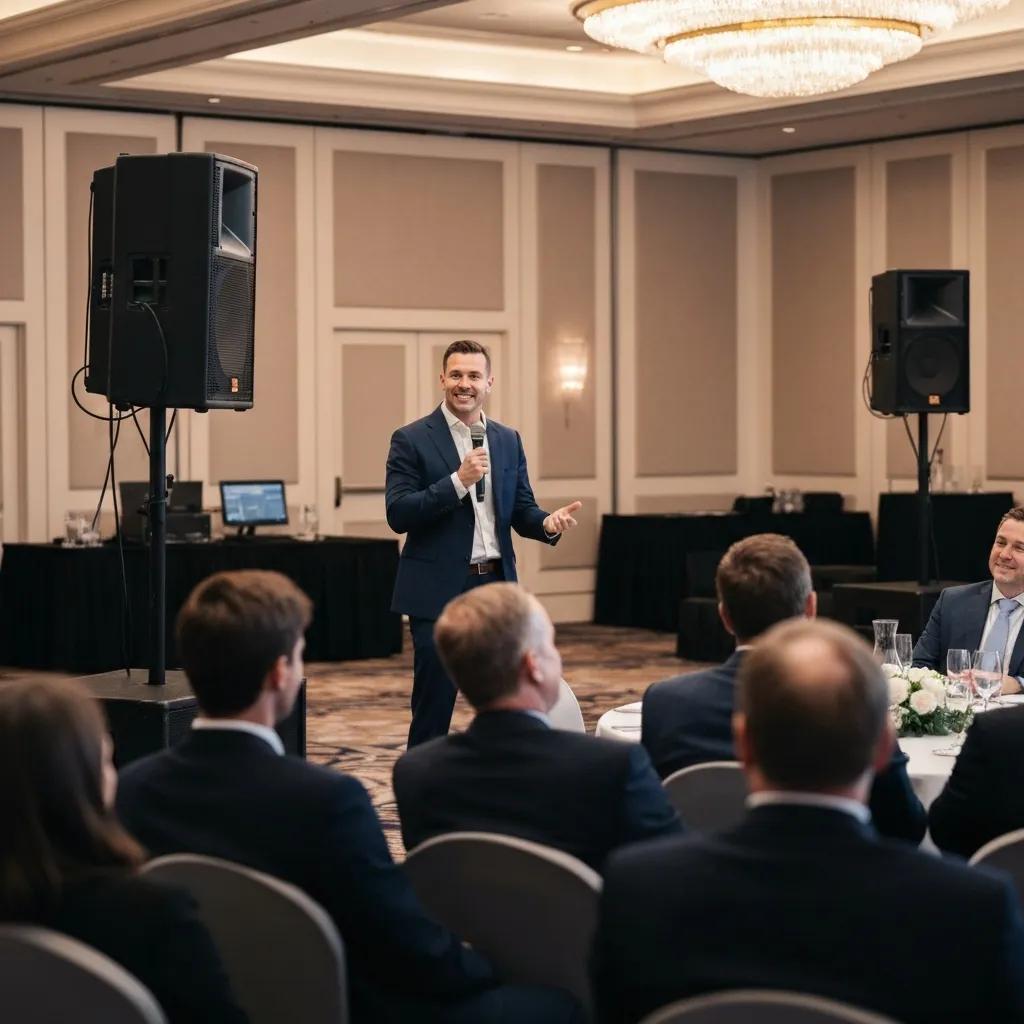
In corporate settings, the focus is speech intelligibility, even coverage, and smooth integration with AV and presentation systems so attendees follow the message and presenters feel confident. That means choosing speakers with controlled directivity, tuning out low-frequency masking, and using well-managed microphone systems to avoid feedback or interference. Better audio increases audience attention and perceived professionalism—helping keynotes, panels, and demos land as intended. For planners, the right PA and experienced techs cut rehearsal time, prevent last-minute scrambling, and support multilingual or hybrid workflows where reliable feeds are essential.

Those priorities differ from live music and festival needs, which require other technical choices and staging approaches.

Why Live Sound Rentals Are Critical for Concerts and Festivals
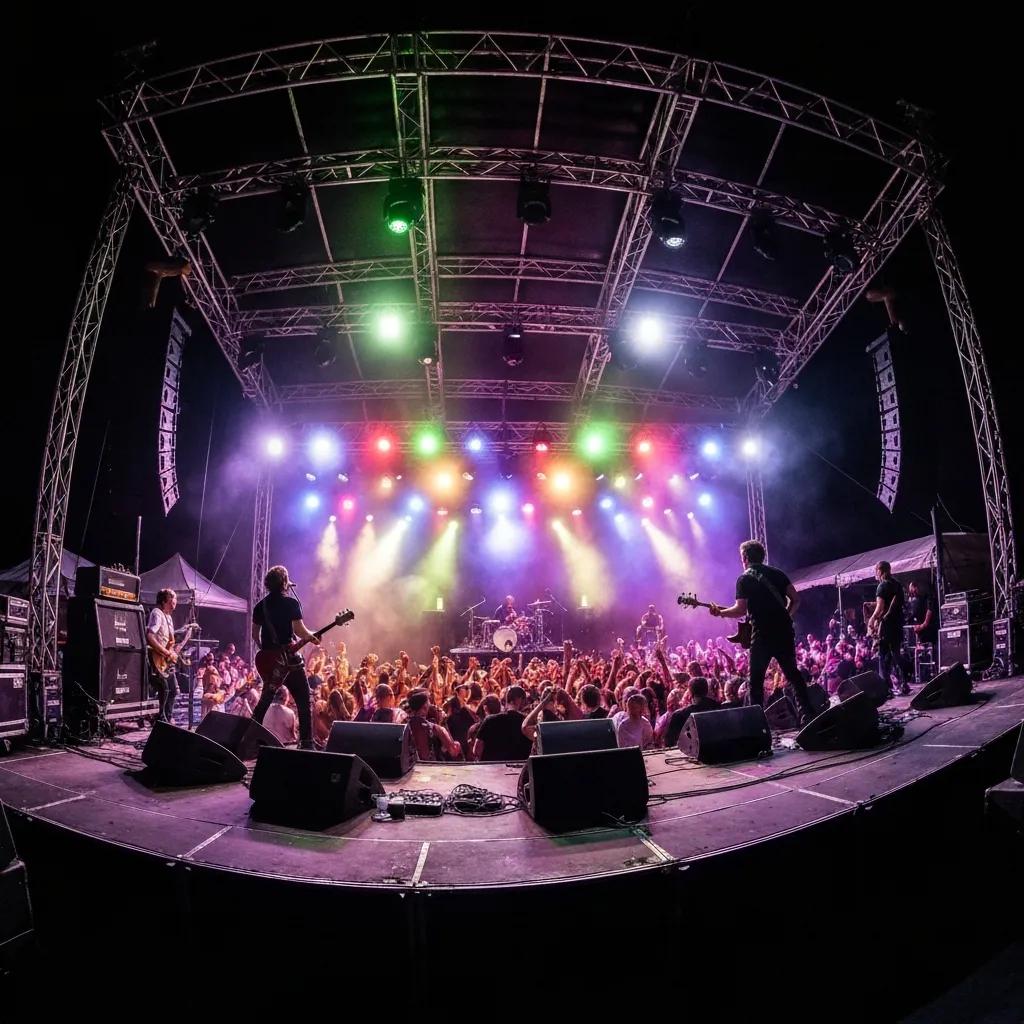
Live sound calls for scalable systems that deliver high SPL, uniform coverage, and robust on-stage monitoring while handling the logistical and environmental demands of tours and festivals. Line arrays and subwoofer arrays provide long-throw coverage, dedicated monitor or in-ear systems keep performers locked in, and rugged amplification and racks endure sustained high output. A properly sized live rig preserves dynamics, leaves safety margins for peaks, and gives artists confidence through reliable FOH mixing and dependable monitor feeds. Outdoor shows add flighting, rigging, and weatherproofing requirements—topics covered in our package and staffing explanations below.

Those operational differences point to the range of services rental companies provide.

What Professional Sound System Rental Services CWP Productions Provides

Our rentals combine equipment inventory, system design, qualified technicians, and logistics support that scale from small conference rooms to large outdoor stages—letting you run turnkey productions without upfront capital purchases. We pair in-house gear with staff who perform site surveys and acoustic checks, then build modular packages tailored for coverage, power, and monitoring needs. Many planners prefer a single provider that can add streaming feeds, synchronized recording, or integrated lighting and staging to reduce coordination overhead and keep production workflows tight. Below is a practical comparison of common package tiers to help you match capacity and staffing to your event.

CWP Productions is a Little Rock, Arkansas-based production and rental company offering audio, video, lighting, and staging solutions for corporate clients and music professionals.

CWP Productions

Package TierTypical IncludesRecommended Capacity
Small Conference PA2 speakers, 1 subwoofer, wired/wireless mic kit, 1 technicianUp to 200 attendees
Mid-Size Gala System4 speakers/line array, 2 subs, digital mixer, 2 wireless mics, 1 monitor mix, 1-2 technicians200–800 attendees
Concert/Outdoor SystemLine array system, multiple subs, FOH digital console, in-ear/monitor system, stage racks, 2+ technicians800+ attendees

That tiered comparison highlights how coverage, fidelity, and staffing scale together—pick the tier that fits your venue and program to avoid an underpowered setup.

Which Audio Components Are Included in Our Rental Packages?

Typical inventories cover speakers (including line arrays), subwoofers, digital mixers, wired and wireless microphones, amplifiers or powered systems, stage monitors, and cabling/snakes—the basic building blocks of any PA. These components work together: mixers route and balance sources, speakers distribute sound, and technicians set delays and EQ to match the room. Corporate packs generally emphasize speech mics, controlled-dispersion speakers, and networked audio (Dante) for multi-room routing; concert rigs prioritize line arrays, high-power subs, and heavy-duty monitors. Knowing the inventory helps you request the right support when you book.

Choosing the correct combination of components is the first step toward a customized package that fits your event’s acoustics and program.

How Custom PA Packages Adapt to Different Event Needs

Custom packages scale by coverage pattern, power, and monitoring options to match audience size, venue acoustics, and event type. The modular approach lets planners increase array elements, add delay towers for long-throw outdoor coverage, pick in-ear monitoring for artists, or include assistive-listening systems for accessibility. Example builds range from a speech-focused conference PA to a mid-size gala with fuller low end and a concert rig focused on SPL and stage monitoring. A site survey and audience mapping are essential steps to prevent uneven coverage or null zones.

That flexibility leads into how providers guarantee great sound through experienced staff and disciplined procedures.

How CWP Productions Guarantees Reliable Sound for Corporate and Live Events

Flawless sound starts with maintained gear, pre-event checks, and experienced technicians who tune and mix in real time. Our process relies on disciplined workflows: inventory maintenance, signal-path verification, and calibration measurements that align system output with venue acoustics to reduce feedback, distortion, and coverage gaps. For larger shows, we coordinate audio, lighting, and staging so cable runs, power distribution, and network paths don’t collide. The table below clarifies the typical technical roles and on-site responsibilities that make these outcomes repeatable.

RoleResponsibilityTypical On-Site Tasks
Audio TechnicianSystem setup and tuningRigging speakers, EQ/delay, cable management
FOH EngineerLive mixing and monitoringBalancing levels, processing, show automation
Stage TechnicianStage patching and monitorsMic placement, in-ear mixes, troubleshooting
Systems TechnicianNetwork and rack servicingDante/Digital audio routing, amplifier checks

Clear role definitions help planners size staffing correctly—experience on the crew often makes the difference between a smooth show and a stressful one.

Why Experienced Audio Technicians Matter

Experienced technicians execute system design, align EQ and delays, mix live, and troubleshoot on the fly—converting a planned configuration into consistent sound across venues. They use measurement microphones, real‑time analyzers, and tried-and-true tuning workflows to avoid comb filtering and feedback. Technicians also build in redundancy—spare mics and alternate signal paths—to minimize downtime during critical moments. Hiring certified or seasoned staff shortens setup, stabilizes live runs, and gives producers confidence that the show will run as planned.

Good technicians also coordinate with lighting and staging to prevent infrastructure conflicts that harm audio performance.

How Audio Integrates with Lighting and Staging

Integration depends on shared planning: coordinated load-ins, labeled cable runs, and modern networked-audio protocols that let teams route and control gear digitally. Clear power and signal pathways prevent noise and brownouts, while tidy rack layouts and stage plots speed patching on event day. Collaborative planning produces a unified show—audio, lights, and stage working together—rather than disjointed systems.

Effective integration naturally leads into the rental lifecycle from consultation to teardown, outlined next.

How the Sound System Rental Process Works — From Consultation to Teardown

A reliable rental process follows clear stages: consultation and requirements gathering, site survey, system design, setup and soundcheck, live support, and teardown. That stepwise flow aligns technical choices with event goals and reduces operational risk. The consultation captures program needs, the site survey provides measurements for design, and rehearsals validate settings before doors open. Clear responsibilities, timelines, contingency plans, and spare gear prepare the team for common on-site issues. Below is a practical, ordered checklist to follow when hiring a rental partner.

  • Initial consultation to define program, audience size, and technical requirements.
  • Site survey and acoustic assessment to inform system design and rigging needs.
  • Equipment staging, setup, and soundcheck with final tuning and monitor balancing.
  • Live operation with FOH and stage technicians on duty and redundant systems on standby.
  • Post-event teardown, inventory reconciliation, and follow-up review to capture lessons learned.

This clear workflow helps producers plan load‑in/out windows and allocate the right technical coverage; the next section explains on-site support models.

Key Steps for Planning and Setting Up Event Audio

Planning and setup follow a practical checklist: site analysis, stage and audience mapping, system design and speaker placement, rack and amplifier configuration, and staged soundchecks to verify coverage and clarity. Measurement-informed design—SPL mapping and delay calculations—guides speaker placement and delay tower deployment so sound arrives coherently across seating areas. Build in contingencies like spare channels, redundant amplifiers, and clear cable labeling to speed troubleshooting. A disciplined timeline—T‑30 for logistics, T‑2 for full setup, and T‑0 for final soundcheck—keeps teams synchronized and reduces last-minute fixes.

Those steps connect directly to how on-site support keeps the show running.

How On-Site Support Is Managed During Events

On-site support assigns clear roles—FOH engineer, stage technician, systems technician—with shift coverage and escalation procedures so issues are handled quickly and discreetly. Reliable support combines experienced staff, pre-staged spares, and remote monitoring where available, enabling rapid swaps or parameter tweaks without interrupting the program. Support plans typically define minimum coverage hours, call‑out terms for extended events, and post-show wrap procedures to speed teardown. Open communication between stage managers and the audio team makes live changes smooth and preserves show continuity.

These support structures are a major factor in pricing and staffing decisions covered next.

Typical Costs and What Drives Sound System Rental Pricing

Pricing reflects event size, equipment quality and quantity, labor and technician hours, logistics and transport, and whether the show is indoors or outdoors. Each factor adds complexity and resources, so costs scale with demands. Small corporate packages cost less because they need less gear and shorter staffing windows; big concerts require line arrays, rigging, power distribution, and multiple technicians—all of which increase the total. Specialized needs—hybrid streaming feeds, assistive listening, or custom rigging—also raise fees. The table below explains common pricing factors to help you estimate where costs come from when requesting quotes.

Pricing FactorInfluence on PriceTypical Impact
Event SizeMore attendees often need more speakers, subs, and delay systemsHigh
Equipment QualityPremium line arrays and high-channel consoles increase rental feesMedium–High
Labor & Tech HoursLonger load-in/set-up and additional operator hours raise costsHigh
LogisticsDistance, trucking, and staging complexity add transport expensesMedium
Outdoor RequirementsWeatherproofing, staging, and power bring extra feesMedium–High

Knowing these drivers helps you prioritize your budget and identify where you can save—shortening rental hours or simplifying speaker layouts are common levers.

After reviewing cost drivers, many decision-makers compare renting versus buying; the next subsection covers that trade-off.

How Event Size and Equipment Choices Affect Pricing

Audience size determines speaker counts, subwoofer power, and delay-tower needs, while equipment choices—line array versus point-source, analog versus digital consoles—set base rental rates and required technician expertise. Doubling the coverage area usually means more array elements and amps, longer load-in and tuning, and higher labor charges. Outdoor shows add costs for weather protection, rigging, and generator power; festivals often need extended on-site staffing. Identify your primary cost drivers early—the number of attendees and whether there’s live music—to get accurate package recommendations and quotes.

Those mechanics feed into a rent-versus-buy evaluation.

Benefits of Renting Compared with Buying Sound Equipment

Renting gives you access to current, pro-grade gear and experienced technicians without the capital outlay, while avoiding storage, maintenance, and upgrade costs. Renting converts a large upfront expense into variable operational costs and shifts maintenance risk to the provider. Buying makes sense when you have frequent, predictable needs that justify depreciation and storage, but it also creates ongoing responsibilities for upkeep and training. For most corporate planners and production teams, renting delivers flexibility, access to modern consoles and networked workflows, and logistics support from specialists.

That commercial perspective helps you ask the right questions when comparing vendors.

Common Questions About Professional Sound System Rental

Clients often ask about selection criteria, whether technicians are included, pricing transparency, and how to evaluate a provider’s experience. Choosing a vendor combines demonstrated event work, relevant inventory, staffing credentials, and clear contractual terms on scope, insurance, and deliverables. Below is a short checklist to use during vendor evaluation, plus practical answers about staffing and inclusions to reduce procurement uncertainty.

  • Review the provider’s portfolio and the types of events they’ve done to confirm relevant experience.
  • Verify technician qualifications, certifications, and defined on-site roles to ensure competent support.
  • Confirm insurance coverage, equipment reserves, and written cancellation/refund terms before you sign.

Those checks make vendor comparisons faster and help you focus on what matters most in proposals.

How to Choose the Right Sound System Rental Company for Your Event

Match the company’s portfolio to your event type, confirm their inventory includes the gear you need (line arrays, subs, digital consoles), and make sure they provide experienced technicians and a clear logistics plan. Providers with case studies for similar venues are likelier to anticipate issues and propose effective system designs. Ask specific questions about site surveys, measurement practices, redundancy plans, and how they coordinate with lighting and staging. A short checklist—portfolio, inventory, technician bios, and a written logistics plan—gives you a practical framework for selection.

Those expectations should appear clearly in written proposals.

Do Rentals Include Technicians and Setup?

Many rentals include basic setup and a minimum technician presence, but dedicated FOH engineers, extra stage techs, or extended support are commonly quoted as optional items depending on show complexity. Basic packages often cover delivery and setup for simple configurations; complex shows with multiple inputs, streaming, or live bands usually require dedicated engineers billed hourly or by event day. Always request a detailed quote that lists included labor hours, overtime rates, and contingency staffing so you’re not surprised on load-in day. Clear contract scope protects both the planner and the provider.

RoleTypical InclusionBuyer Tip
Basic Setup TechOften included for small packagesConfirm how many tech hours are included
FOH EngineerFrequently optional for corporate packagesRequest FOH coverage for live shows
Additional Stage TechsQuoted for bands/festivalsInclude spares and monitor support in quote
Logistics & TransportUsually separate line itemsAsk for itemized transport costs in proposal

Use this checklist and the guidance above to evaluate proposals, build accurate budgets, and hire a provider who delivers confident, reliable audio for your event.

Frequently Asked Questions

What should I consider when planning the audio setup for a hybrid event?

Plan so both in-person and remote attendees hear clearly. Choose microphones that limit feedback and capture speech cleanly, and integrate a dependable streaming chain that receives a clean feed from the house mix or a dedicated broadcast mix. Conduct a site survey to assess room acoustics and audience layout, and coordinate with technicians early to map audio feeds, monitor mixes, and redundancy for the stream.

How can I ensure my sound system is suitable for outdoor events?

For outdoor shows, use weather-rated equipment, secure rigging, and properly braced speaker systems. Account for higher SPL needs to overcome ambient noise and plan delay towers or additional clusters for long-throw coverage. A site survey determines placement and identifies potential sound-bleed issues; work with technicians experienced in outdoor setups to cover safety and weather-contingency plans.

What are the advantages of using a professional sound system over consumer-grade equipment?

Professional systems offer consistent coverage, higher reliability, and engineered solutions tuned for venues—improving intelligibility and musical accuracy. They come with experienced technicians who can optimize the system for the room and troubleshooting on the fly. That combination of gear and expertise reduces risk and elevates the audience experience beyond what consumer gear can reliably deliver.

How do I determine the right sound system package for my event size?

Start with expected attendance and the venue’s acoustics. Small gatherings may use basic PA setups; larger audiences typically need line arrays and more subwoofer power for even coverage. Tell rental providers your attendee count, program type (speech vs. live music), and room layout so they can recommend an appropriate package and staffing level.

What role does sound system maintenance play in event success?

Regular maintenance ensures gear performs when it matters—checked connections, calibrated components, and replaced wear items reduce the chance of failures. A well-maintained system minimizes feedback, distortion, and unexpected outages, giving crews and producers greater confidence that the show will run smoothly.

Can I customize my sound system rental package based on specific needs?

Absolutely. Most rental companies will tailor packages—adding speakers, changing mic types, providing in-ear monitors, or including assistive-listening devices. Discuss your event goals and constraints with the provider so they can propose a custom configuration that fits your audience and budget.

**